Unleashing the Allure of Bug Font in Modern Design
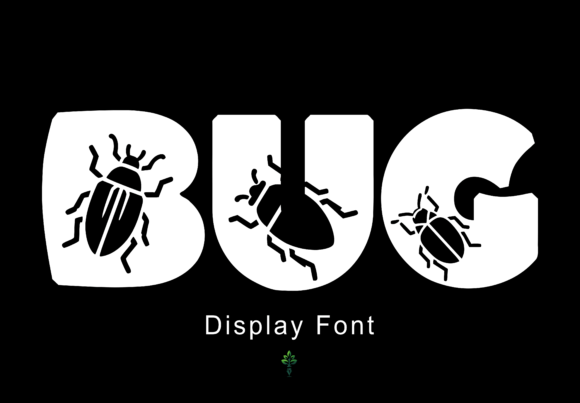
There is a distinct energy that comes from a typeface that refuses to be ignored. It’s not just about legibility; it is about the immediate sensation you get when your eyes land on the text. If you have been searching for a typeface that bridges the gap between technical precision and raw artistic expression, you may have just found your match. The Bug typeface is designed for those moments when your creative work needs to speak louder than the competition, offering a visual language that feels both intentional and thrillingly unpredictable. It invites you to step away from the mundane and explore a typographic personality that commands attention in any format.
A Beacon of Avant-Garde Design
When we talk about modern typography, we often focus on cleanliness and minimalism. While those traits have their place, the Bug font takes a different route. It acts as a beacon of avant-garde design, meticulously perfected to serve as a visual anchor for your projects. The appeal of this typeface lies in its ability to be both structured and expressive. It doesn't just sit quietly on the page; it actively participates in the storytelling. For a small business owner or a freelance designer, finding a font that carries this much weight can be a game-changer. It allows you to infuse your work with an irresistible attraction that pulls the viewer into the content, rather than letting them skim past it.
Visual appeal is subjective, but the mechanics of attraction are not. Bug achieves its impact through a unique amalgamation of sharp, defined edges and fluid movement. This creates a rhythm in your text that is engaging to the eye. Whether you are using it as a display font for a massive headline or integrating it into a complex layout, the font maintains its integrity. It feels premium and purposeful, elevating standard text into a piece of visual art.
Transforming Brand Identity and Logo Design
For entrepreneurs and brand strategists, a brand identity is only as strong as its visual consistency. Typography is the voice of your brand, and choosing the wrong voice can send mixed signals to your audience. Bug font offers a distinctive solution for logo design and brand collateral. Because of its unique character, it ensures high brand recognition. When a customer sees that specific typeface on a business card, a website, or a social media post, they immediately associate it with your brand's personality.
Consider the challenge of standing out in a saturated market. A generic sans serif font might be safe, but it rarely creates an emotional connection. On the other hand, a typeface like Bug, with its captivating design, provides a strong foundation for a memorable visual identity. It works exceptionally well for brands that want to be perceived as creative, bold, and forward-thinking. From tech startups to boutique agencies, using this font for your primary logo mark or tagline can instantly elevate your professional presentation.
Practical Applications Across Media
The true test of a great font is its versatility. Does it work in different environments without losing its soul? The Bug typeface shines across a wide variety of applications, making it a valuable addition to any designer's toolkit. It is not limited to one specific medium; rather, it adapts to the context while retaining its core visual impact.
Here is how you can practically apply this font to your projects:
- Packaging Design: In the world of retail, packaging is your silent salesperson. The distinct look of Bug ensures your product jumps off the shelf. It is particularly effective for brands in the lifestyle, beauty, or tech sectors looking for a modern edge.
- Editorial Layouts: For magazines, blogs, and digital publications, editorial design relies on hierarchy. Using Bug for pull quotes or section headers can break up long blocks of text and keep readers engaged.
- Social Media Graphics: The scroll-stopping power of a bold display font is undeniable. Whether it is an Instagram story, a Facebook ad, or a Pinterest pin, this typeface ensures your message is read.
- Merchandise and Invitations: If you are designing t-shirts, tote bags, or event invitations, you need a font that looks good printed on physical materials. The crisp lines of this design asset translate beautifully to print.
Pairing Typography and Readability
While a display font like Bug is designed to grab attention, it is rarely used in isolation. A key part of effective web design and print layout is font pairing. You need a supporting cast—usually a more neutral sans serif or serif font—to handle the heavy lifting of body text. The goal is to create a contrast that highlights the personality of your headline font without overwhelming the reader.
When choosing a font style to pair with Bug, look for something with a steady rhythm and open spacing. A clean, geometric sans serif often works well to ground the more expressive nature of the primary typeface. However, always test your pairings. Readability considerations are paramount, especially on mobile devices. Ensure that the x-height of your body text complements the visual weight of your headers. A professional presentation is about balance; the headline grabs them, but the body copy convinces them.
Choosing the Right Style and Licensing
Before integrating any new typeface into your workflow, it is essential to review the included font styles and understand the commercial licensing. A premium font often comes with various weights or stylistic alternates, giving you more flexibility to fine-tune your typography. Check if the font includes different variations that allow you to create hierarchy through weight alone—using a "Bold" for main headers and a "Light" for subtitles, for example.
Furthermore, always verify the commercial licensing terms. If you are a freelancer creating assets for a client, or a business owner using the font on your website and products, you need to ensure the license covers your specific usage. Ignoring this can lead to legal headaches down the road. Investing in a properly licensed creative font protects your business and supports the type designers who create these tools.
Ultimately, the decision to use a font like Bug comes down to the story you want to tell. If your goal is to inject your work with a one-of-a-kind typographical personality that feels vibrant and alive, this typeface offers the tools to do so. It is more than just a set of letters; it is a design asset that helps you articulate your creative vision with clarity and flair.