Duck: A Handwritten Font That Feels Like a Love Letter
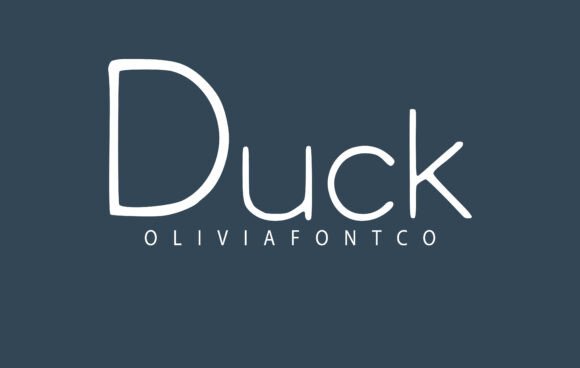
There’s a certain magic in something that feels truly personal. In a digital landscape often filled with sterile, geometric typefaces, a font with a human touch can be the secret ingredient that makes a design resonate. Imagine a typeface that doesn’t just spell out words, but whispers them with a gentle, romantic flair. That’s the experience of working with Duck, an authentic handwritten font designed to infuse your projects with warmth, personality, and a touch of elegance.
More Than Just Letters: The Soul of a Handwritten Typeface
Duck isn’t a simple script font thrown together from basic strokes. It’s crafted to emulate the beautiful imperfections of real handwriting—the slight variations in letter height, the natural flow of connecting characters, the subtle pressure changes that give it life. This authenticity is what sets it apart. Where a standard display font might grab attention through sheer boldness, Duck draws people in with its approachable charm. It feels familiar, like a note from a friend, making it incredibly effective for projects where building a genuine connection with your audience is key.
This quality makes it a powerful tool for brand identity. If your brand voice is friendly, intimate, artisanal, or romantic, Duck can become the visual extension of that personality. It’s a premium font that communicates care and thoughtfulness, qualities that are invaluable in today’s market.
Where Romance Meets Practicality: Real-World Applications
The true test of any creative font is its versatility. Duck shines precisely because it balances its distinctive style with surprising legibility, making it suitable for a wide array of projects. It’s not just for fleeting decorative moments; it can be a workhorse in your design toolkit.
Consider these practical uses:
- Logo Design & Branding: For boutique shops, wedding planners, cafes, florists, or lifestyle brands, a logo set in Duck instantly establishes a welcoming and personal tone. It works beautifully as the primary wordmark or as a complementary element to a simpler sans serif font.
- Invitations & Cards: This is where Duck truly feels at home. From wedding invitations and save-the-dates to birthday cards and thank-you notes, its romantic touch elevates any stationery. It’s perfect for editorial design in event programs or menu cards.
- Packaging Design: Imagine Duck on the label of artisan jam, a hand-poured candle, or a small-batch skincare product. It adds a layer of craftsmanship and care that generic fonts cannot, enhancing packaging design appeal.
- Social Media & Digital Content: In a sea of uniform posts, a quote graphic or Instagram story set in Duck stands out with personality. It’s excellent for creating engaging social media graphics, podcast covers, or YouTube thumbnails that feel authentic and relatable.
- Web Design & Blogs: While best used sparingly for optimal readability, Duck can be a stunning choice for website headers, pull quotes, or blog post titles. It adds a human element to web design, making a site feel less corporate and more like a conversation.
- Marketing Assets: Use it in email headers, lead magnet covers, or ad copy to break the monotony of standard marketing materials. Its unique character helps improve audience engagement by catching the eye and conveying emotion.
- Print & Merchandise: From poster headlines to merchandise like tote bags or mugs, Duck translates beautifully to physical products. It’s a commercial font that holds its charm across different mediums.
Pairing Duck with Purpose: A Designer’s Guide
A great font rarely works in complete isolation. The art of font pairing is where you can unlock Duck’s full potential and ensure visual consistency across a project. The goal is to create contrast and hierarchy without conflict.
A reliable strategy is to pair Duck with a clean, neutral typeface. Think of it as a conversation between a storyteller and a listener.
- With a Sans Serif: Pairing Duck with a geometric or humanist sans serif font (like Montserrat, Lato, or Open Sans) creates a beautiful balance. The sans serif handles the body text or supporting information with clean readability, while Duck makes the headlines or key phrases sing. This combination is perfect for logo design systems and web design.
- With a Serif: For a more classic, elegant feel, try combining Duck with a traditional serif font. This works wonderfully for editorial layouts or high-end branding. Ensure the serif is not overly ornate to avoid visual clutter.
- With a Mono or Slab Serif: For a quirky, modern twist, a monospace or simple slab serif can provide an interesting counterpoint to Duck’s flowing script, ideal for creative digital products or tech-focused brands with a personal side.
A crucial tip: Always test your pairings at the actual size they’ll be used. A font that looks stunning in a large headline might become illegible when shrunk for a caption. Review the included font styles—does it come with alternate characters or ligatures? These features can add extra flair and solve specific design challenges.
Choosing the Right Font for Your Project’s Heart
Before you dive in, pause to consider your project’s core goal. Typography is a silent ambassador for your message. Ask yourself: What emotion do I want to evoke? Who is my audience? A handwritten font like Duck is ideal for projects aiming for intimacy, nostalgia, romance, or artisanal quality. It might not be the best fit for a corporate financial report, but it’s perfect for a bakery’s branding or a personal blog.
Think about the professional presentation you’re aiming for. Using Duck for a wedding invitation is a no-brainer. Using it for all the body text on a 10-page website might hinder user experience. Its strength is in strategic, impactful applications where its personality can shine without overwhelming the viewer.
Finally, consider the practicalities. If you’re using Duck for commercial work—client projects, merchandise, or marketing assets—ensure you have the appropriate commercial licensing. This protects both you and the font creator and is a mark of a professional designer or business owner.
Duck is more than just a collection of glyphs; it’s a tool for storytelling. It offers a way to cut through the digital noise with something genuine and heartfelt. By understanding its personality and applying it thoughtfully, you can transform your creative ideas, making them not only visually appealing but deeply resonant. It’s a reminder that in design, the most human touch is often the most powerful one.