Camping Font: A Handmade Typeface for Authentic Outdoor Branding
There's a certain warmth that comes with campfires, worn leather journals, and hand-painted trail signs. It's a feeling of authenticity, of stories told and adventures lived. Capturing that spirit in a digital design can feel like a challenge, but the right typeface can bridge that gap instantly. Enter Camping, a bold, handmade font that brings the cozy, rugged charm of the great outdoors directly into your creative projects.
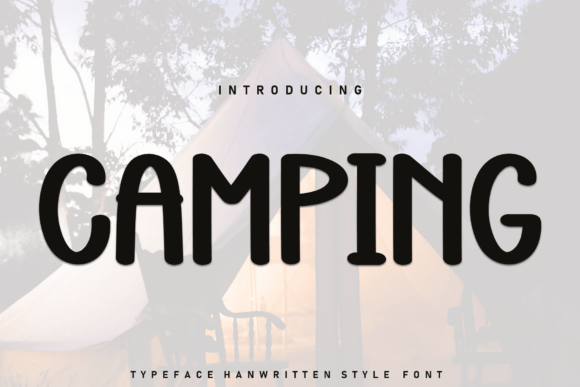
This isn't your typical, sterile digital font. Each letter in the Camping typeface looks as if it were carefully crafted by hand, perhaps whittled from wood or sketched in a cabin logbook. Its playful, slightly irregular forms exude personality, making it a powerful tool for anyone looking to inject a sense of adventure, warmth, and human touch into their work. For designers, entrepreneurs, and creators, it’s more than just a font—it’s a shortcut to a specific, evocative mood.
Where Adventure Meets Design: Practical Applications
The true value of a creative font like Camping lies in its versatility. It’s a display typeface, meaning it shines in headlines, logos, and short, impactful text where personality is paramount. Think about the brands and projects that could benefit from this aesthetic. A local brewery crafting a new IPA, a family-owned outdoor gear shop, a travel blogger documenting van life, or a wedding planner specializing in rustic, forest ceremonies—the Camping font is a natural fit for their visual identity.
Its applications are extensive and practical:
- Branding & Logo Design: Create a memorable logo for a campsite, hiking club, or nature retreat that feels genuine and inviting.
- Packaging & Labels: Design labels for artisanal products like small-batch coffee, handmade soaps, or trail mix that emphasize their natural, crafted origins.
- Social Media Graphics: Craft eye-catching Instagram stories, Facebook posts, and Pinterest pins for outdoor lifestyle content that stand out in a crowded feed.
- Web & Blog Design: Use it for blog post titles, website headers, and call-to-action buttons to reinforce a cohesive brand story online.
- Print & Merchandise: From event posters and festival flyers to t-shirts, hats, and enamel mugs, this font translates beautifully onto physical goods.
- Invitations & Editorial: Design stunning wedding invitations, save-the-dates, or magazine layouts for travel and adventure publications.
Beyond Aesthetics: Building a Cohesive Brand Experience
Choosing a typeface is a strategic branding decision. The Camping font does more than decorate; it communicates. It tells your audience that your brand values craftsmanship, authenticity, and a connection to nature. This immediate visual cue helps build brand recognition. When customers see that distinctive, handmade lettering on your packaging and then on your Instagram, the connection is instant and powerful.
Furthermore, a well-chosen display font enhances professional presentation. It shows intentionality in your design choices, elevating your project from amateur to polished. While it’s not a body text font (its bold, decorative nature is best for headlines), using it strategically improves the overall readability and flow of your layout by creating a clear visual hierarchy. The playful, rugged headline draws the eye, while a clean sans serif font or serif font can be used for paragraphs to ensure comfortable reading.
Making It Work: Practical Tips for Using Camping
To get the most out of this premium font, consider a few practical design principles. First, embrace font pairing. Camping’s strong personality pairs well with simpler, more neutral typefaces. Try combining it with a geometric sans serif for a modern twist or a classic serif for a more traditional, rustic feel. Testing these pairings in your specific layout is crucial.
Always prioritize context and readability. This font is a star player, not the entire team. Use it for short, high-impact elements like a business name, a product title, or a headline. Avoid setting long sentences or paragraphs in it, as its charm can become a hindrance to comprehension at smaller sizes or in large blocks.
Before you start, review the font’s full character set. Does it include numerals, punctuation, and multilingual support? Understanding the complete design assets you’re working with prevents frustration down the line. Finally, for any commercial project—whether it’s a client logo, merchandise for sale, or marketing materials—always ensure you have the correct commercial font license. This protects you legally and supports the independent type designers who create these valuable tools.
In the end, Camping is more than a collection of glyphs. It’s a vessel for a story, a feeling, and a brand identity. By leveraging its handmade character with thoughtful application, you can create designs that don’t just look good, but feel deeply connected to the spirit of adventure they aim to represent.